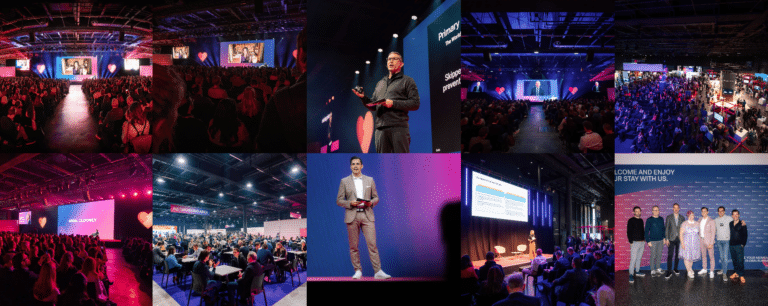
In March, the global healthtech community gathered in Basel for the inaugural health.tech global summit, bringing together leaders from across healthcare, technology, investment and policy. Over three days, the summit positioned itself as a new international meeting point for the rapidly evolving healthtech ecosystem.
With around 6,000 participants from more than 60 countries, the event brought together startups, pharma companies, hospital leaders, policymakers and investors to explore how technology is reshaping healthcare.
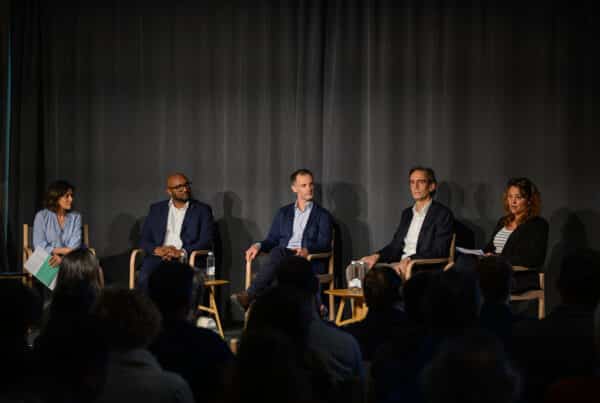
As a proud partner of the event, DayOne played an active role throughout the event – powering the startup competition, supporting the investor speed dating and hosting a booth on the exhibition floor. DayOne also led several panel discussions on relevant topics, including early-stage healthtech fundamentals, Basel as a healthtech hub, and investment in tech-enabled pharma R&D.
A New Global Platform for Health Innovation
Hosted in one of the world’s most important life-science hubs, the summit leveraged Basel’s unique ecosystem – home to major pharmaceutical companies, research institutions and health startups.
The goal of the event was clear: create a cross-industry platform where healthcare and technology leaders can collaborate to solve some of the most pressing challenges in medicine.
Over the course of the summit, attendees engaged in:
- Keynote talks and panel discussions
- Startup exhibitions and pitch sessions
- Investor networking events
- Innovation showcases and Basel ecosystem tours
More than 200 exhibitors and more than 150 startups participated, while hundreds of investors explored emerging healthtech opportunities.
AI Takes Center Stage in Healthcare
A recurring theme across the conference was the growing role of artificial intelligence as core healthcare infrastructure rather than an experimental tool.
Discussions highlighted how AI is already transforming multiple parts of the healthcare value chain, including:
- Drug discovery and development, accelerating early research
- Clinical decision support, improving diagnosis and treatment planning
- Predictive analytics, enabling earlier detection of disease risks
- Operational optimization, helping hospitals manage resources and patient flow
Speakers emphasized that the next major challenge is not building AI tools but integrating them safely into real clinical workflows.
Data, Regulation and Trust
As healthcare becomes more digital, conversations at the summit also focused heavily on data governance and regulatory frameworks.
Experts debated how policymakers and innovators can balance innovation with patient safety, privacy and transparency. With new regulatory initiatives emerging globally, many sessions examined how healthcare systems can build trusted digital infrastructures that enable responsible data sharing.
The consensus: interoperable data systems will be essential for unlocking the full potential of AI in healthcare.
From Reactive Care to Preventive Health
Another major theme was the shift toward predictive and preventive healthcare. Advances in digital health tools – such as wearable devices, remote monitoring technologies and AI-driven risk modeling – are enabling healthcare providers to move beyond treating illness to identifying health risks earlier and intervening sooner.
This shift could fundamentally reshape healthcare systems by improving outcomes while reducing long-term costs.
Startups and Investment Momentum
The summit also served as a major platform for healthtech startups and investors.
More than 150 startups, including many DayOne alumni startups, showcased innovations ranging from AI diagnostics to digital therapeutics and healthcare infrastructure software. The startup competition, powered by DayOne, highlighted several emerging companies, with finalists pitching their solutions to a panel of global investors and industry leaders. The competition concluded with PulseMedica taking home the CHF 10,000 cash prize from University Hospital Basel.
DayOne also supported the investor speed dating, including short, focused four-minute conversations with fast switching between participants.
Investor interest was particularly strong in areas such as AI-powered diagnostics, remote patient monitoring, digital therapeutics and healthcare data platforms. The event reinforced the sense that healthtech remains one of the most active areas for venture investment in the life sciences sector.
A Strong Speaker Lineup
The summit featured a diverse range of voices from medicine, science, technology and global policy. Among the notable speakers was Anthony Fauci, who shared insights on global health challenges and the future of biomedical innovation.
Former astronaut Tim Peake delivered a session on innovation, human performance and the future of health in space and on Earth, highlighting how research conducted aboard the International Space Station is driving advances in human performance monitoring and healthcare technologies on Earth.
In another session, Amal Clooney explored how AI can serve as a powerful equaliser – expanding access to justice, protecting human rights and empowering women worldwide.
Other sessions examined topics such as the ethics of AI in healthcare, digital transformation in hospitals and the future of pharmaceutical research.
Looking Ahead
The debut of the health.tech global summit demonstrated strong momentum for a new international platform dedicated to the intersection of healthcare and technology.
More importantly, the conversations in Basel highlighted a clear transition for the industry: digital health is moving beyond experimentation and toward large-scale implementation. As AI, data platforms and connected health tools mature, the next challenge will be turning innovation into real-world impact – improving care delivery, expanding access and ultimately building more resilient healthcare systems.
If the energy and collaboration seen in Basel are any indication, the future of healthtech is already taking shape.
The dates are set for health.tech | global summit 2027. Find out more details here.